Have you noticed the brutal reality: graduate from a top school, land a job at a major company, take home a high salary, and on the outside you look like a winner—yet at 50 you are still crushed by mortgage payments, and after paying the bills each month you can barely save any emergency fund.
You are working as hard as you possibly can, so why are you stuck in this “the busier you are, the poorer you get” trap?
The answer is never in how high your salary is or how prices move. It hides in the financial mindset nobody ever systematically taught us. The Rich Dad Poor Dad cashflow quadrant exposes thatfoundational logic in plain sight.
1. The Poor Dad Mindset: A Life Kidnapped by “Stability”
So many parents around us are feeding their kids one idea: study hard, get into a good university, land a good job. Whether it is a tech giant, a financial institution, or a civil service role, as long as it is stable, you are good.
Even with elite degrees and PhDs, most people end up with a money mindset nearly identical to the poor dad’s. Look at those high-achieving engineers, doctors, and accountants—so many of them are plagued by financial problems year after year. The core issue is being kidnapped by stability:
- Land a good company and you do not dare resign lightly
- Collect a fixed salary each month, hoping for a big year-end bonus
- Life seems okay on the surface, but you never actually save
- Not to mention achieving financial freedom
Robert Kiyosaki, the author of Rich Dad Poor Dad, had a biological father who walked exactly the path we are all familiar with—he valued education, stayed in the education industry his whole career, yet like so many people he was always stressed about money. That is the poor dad in the book.
As a kid, when Kiyosaki asked his poor dad “how do I become rich,” the answer was the same as most parents give: study hard, get a good job. But that kind of answer never solves the real problem.
2. The Rich Dad Mindset: The Left Door Is the Real World
Kiyosaki had a good friend named Mike. Mike’s father ran a construction company, shopping malls, and several restaurants—the rich dad in the book. It was the rich dad himself who taught Kiyosaki and Mike how money actually works.
The rich dad once used a vivid metaphor: life is like two doors—
The left door: how much you earn depends entirely on how much effort you put in. You might strike it rich overnight, or you might end up with nothing.
The right door: you do not have to take big risks. Every month you get a fixed paycheck. You will not starve, but you will never get rich.
Many people shout that they want to pick the left door, yet their bodies honestly settle into the right one. Taking the civil service exam, joining a major corporation, chasing the iron rice bowl—that mindset is already deep-rooted. In many people’s eyes, taking risks is irresponsible, and stability is the foundation of a safe life.
3. The Fear Behind “Stability” Pins You in Place
Why do people cling so tightly to the right door? The core reason is fear:
- The monthly mortgage
- The car loan
- The children’s tutoring fees
- The whole family’s insurance bills
The moment you lose that fixed income, how would you cover all these costs? This fear acts like a rope tying you down, day after day—cramming into the subway, rushing to work, getting paid, paying the bills, and repeating the same loop tomorrow. You cannot escape.
Many of the office workers around us joke about being “corporate slaves.” It sounds like a quip, but behind it lies endless helplessness. Everyone craves financial freedom, but the moment they think about losing a fixed income, their heart races, and they do not dare change anything.
They think earning more will free them from fear. But when the salary goes up, expenses go up with it, and the fear never actually disappears—it digs in deeper. It is like a hamster running on a wheel—no matter how hard it runs, it never gets anywhere.
Rich Dad Poor Dad has a classic line: “A job is only a short-term solution to a long-term financial problem.”
The real key to escaping “the busier you are, the poorer you get” is, surprisingly, simple—learn to tell assets from liabilities.

4. Many People Spend Their Whole Life Treating Liabilities as Assets
Many people are broke at their core because they treat liabilities as assets.
Put plainly:
- Assets: things that actively put money into your pocket—such as stocks, funds, rental properties. These generate passive income without you having to clock in nine to five every day. Even while you sleep, money keeps flowing in.
- Liabilities: things that constantly take money out of your pocket, leaving you poorer and poorer.
Let’s compare the cashflow models of the poor dad and the rich dad:
The Poor Dad’s Cashflow
His income is just his salary → part of it goes to food, transport, and clothing → the rest goes to mortgage, taxes, and credit card bills → the things that genuinely qualify as assets are extremely few.
The Rich Dad’s Cashflow
His income is never just his salary → he does not sacrifice his time chasing a raise → instead he keeps buying assets that produce money: rental income from properties, dividends from stocks, profit from businesses → once this cashflow system is built, he has continuous income even without showing up to work every day.
5. The Most Common Trap: Your Own Home Is Not an Asset
The most critical difference is this: the poor dad always says “our house is our biggest asset,” but the rich dad bluntly says—from a cashflow perspective, a house is more like a liability.
This is the point that is especially easy to misunderstand around us. Many people make it their lifelong goal to buy their own home, paying off debt in a big city for 30 years, believing they are accumulating assets. But think carefully—the mortgage, the management fees, the taxes, the maintenance costs every month are all draining money out of your pocket.
What you think is an asset has been quietly consuming your wealth.
6. Five Foundational Differences Between Poor Dad and Rich Dad
The biggest gap between the poor dad and the rich dad hides in fivefoundational logic:
1. Attitude Toward Risk
- Poor dad: be conservative in money management, do not take risks.
- Rich dad: the real skill is learning to manage risk, not escape from it.
2. Dependence on the Government
- Poor dad: believes companies and the government should take care of us.
- Rich dad: warns that this dependency makes people weak and increasingly passive in money matters.
3. Financial Responsibility to Children
- Poor dad: complains that having kids to raise is why we cannot get rich.
- Rich dad: firmly believes that having kids is exactly why we must try harder to get rich, so the family can have a better life.
4. Direction of Education
- Poor dad: teaches “study hard and get a good job.”
- Rich dad: teaches “study hard and master the logic of investing and cashflow.”
5. Vision of a Career
- Poor dad: hopes the child becomes a lawyer or accountant—someone who earns through professional skill.
- Rich dad: tells the child to understand how money works and learn to make money work for you.
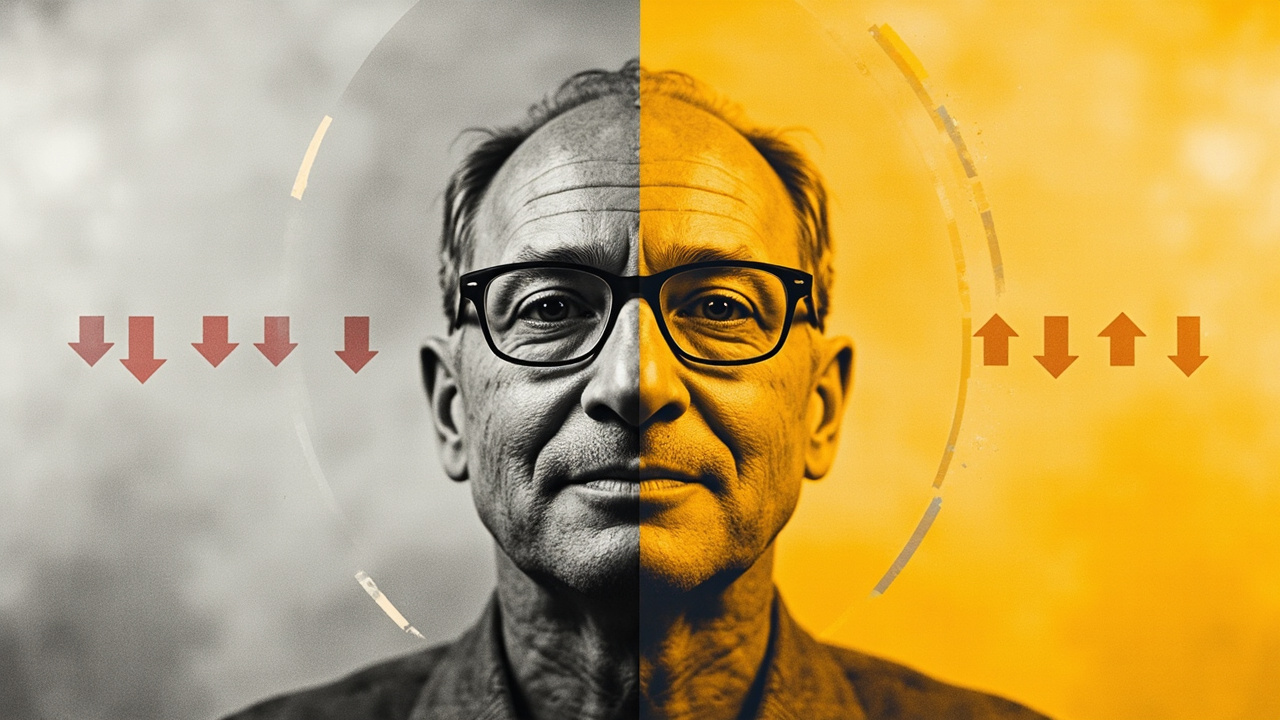
7. Will Your Children Learn the Poor Dad or Rich Dad Way?
Take a moment and ask yourself:
Did the mindset you learned from your parents come from the poor dad or from the rich dad?
And how will you teach your own children?
You should know that financial education in many places is still weak. If you do not actively learn how money works, you will likely spend your whole life being led by money, trapped in the cycle of trading time for money, working for others, and never accumulating real wealth of your own.
Remember—
What truly matters in this life is never how much you earn, but how you manage money and let your money make money for you.
The truth has never been that working yourself to death makes you rich. The truth is that finding the right method to let money work for you is what makes you rich.
Stop being the hamster on the wheel. Step off, learn to tell assets from liabilities, and start building a cashflow system that does not depend on you clocking in every day. That is the real starting point of financial freedom.
Disclaimer: This article reflects the author’s personal reading reflections and ideas, and does not constitute any investment advice. The viewpoints in the book are the author’s own; readers should make decisions based on their own financial situation, risk tolerance, and independent judgment. The author of this article bears no responsibility for the outcome of any financial decision.
Comments